
Threat intelligence
Reading open sources for what could harm your company, and telling you what the risk actually amounts to.
Kinds of threat
Most engagements involve some of the areas listed here, chosen once you have said what you need protected.
- Threats to people and sites
- Risks to your staff and your physical locations, read from public reporting and from activity in open channels.
- Reputational exposure
- What is being said about your company in public that could damage it, and where that talk is heading.
- Geopolitical risk
- Events in the regions where you operate, followed through local and international reporting.
- Biosecurity and disease
- Outbreaks and the official measures taken against them, in places where you have people or suppliers.
- Online threats
- Coordinated activity against your company that surfaces in open channels before it reaches you directly.
- People and groups
- Who is behind a threat and what they have done before, with how firm each connection turns out to be.
- A written reading
- What the collected material adds up to for the question in front of you, and how far each finding can be trusted.
Beyond cyber threats
Most people searching for threat intelligence are sent toward feeds of malware indicators and stolen passwords. That work has its place, but much of the harm a company faces never arrives through its network. A hostile campaign against an executive or an outbreak near a factory usually shows up first in public reporting, days before it reaches anyone inside the company.
A threat report is only useful if it says how likely and how close a risk is. Amos sets each item against other public reporting and separates what is confirmed from what is only claimed. Each reading states how firm it is, so a board can tell a rumour from an established fact.
Newsweek has featured Amos three times on global biosecurity events, including a containment response that seemed far larger than the lab accident said to be behind it. Reading official accounts against public evidence is the same skill this work depends on.
How to start
The brief
Say what you need protected and what has prompted the concern. Name the regions that matter.
Discretion
Nobody under study is contacted while the research is running.
Who does the work
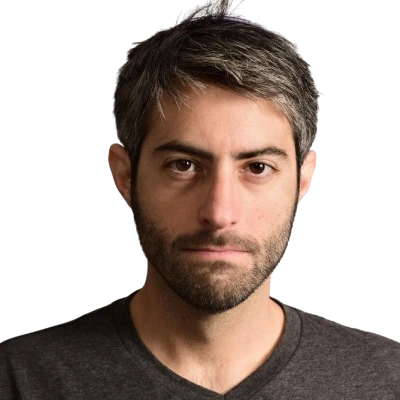
Amos Weiskopf runs the open-source project Plague News and studied geography at the Hebrew University of Jerusalem.
More from Open-source intelligence
Questions buyers ask
What is threat intelligence?
It is the study of what could harm your company, drawn here from public sources, with an account of what the material means for a decision you face and how far each finding can be trusted.
How is this different from cyber threat intelligence feeds?
A feed lists technical indicators and raises an alert when activity changes. This work reads the physical and reputational harms that surface in public reporting, and judges whether a pattern reflects a real event or a coordinated push behind it.
How much does threat intelligence cost?
That depends mostly on how many regions and topics have to be followed. The price is agreed after the written brief.
Does it cover biosecurity threats?
Yes. Disease outbreaks and the official response to them are part of the work, and Newsweek has featured Amos on exactly that subject.
Is the research legal?
Yes. Only public or lawfully obtained material is used, and nothing illegal is done to gather it.
Can an NDA be signed before I share anything?
Yes. A non-disclosure agreement can be signed before you send names or anything else sensitive.

Engagements by written brief.
Work begins from a documented problem statement, not a sales call.